Claiming Compensation for Concussion in Florida
Getting into a car accident is jarring enough, but when you start experiencing symptoms like a persistent headache, dizziness, or feeling "off" in the days or weeks afterward, it's natural to worry. A concussion, often an invisible injury, can be particularly frustrating because it might not show up immediately, yet it can turn your whole world upside down. This guide is here to walk you through the process of claiming compensation for a concussion sustained in a car accident specifically in Florida, helping you understand your rights and the steps you need to take to protect your health and your claim.
Understanding Concussions After a Florida Car Accident
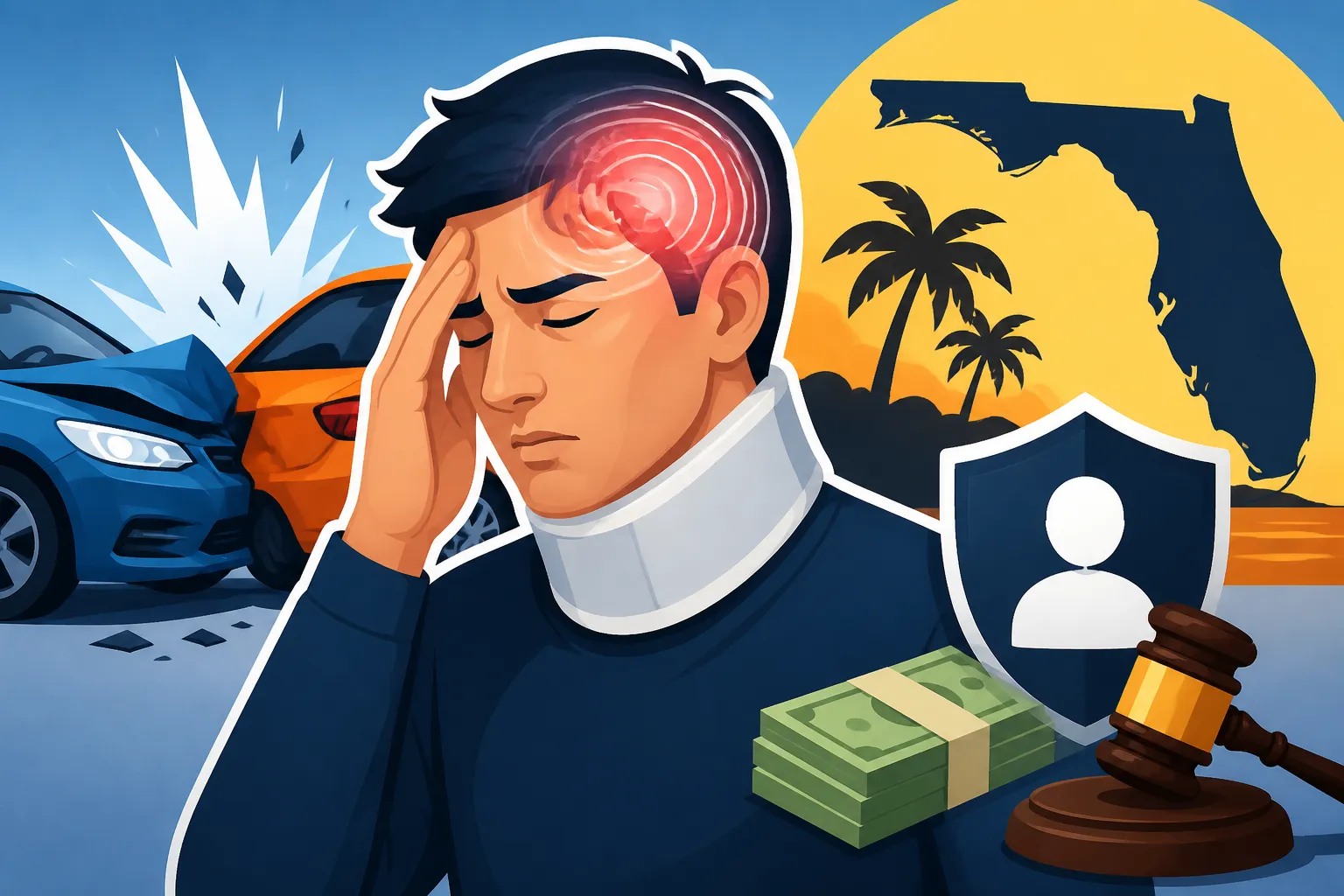
A concussion, often classified as a mild traumatic brain injury (TBI), is anything but "mild" in its impact. It occurs when a sudden jolt or blow to the head or body causes the brain to move rapidly back and forth inside the skull. This motion can stretch and damage brain cells, leading to a temporary disruption of normal brain function. In the aftermath of a car accident, many people unfortunately downplay their head symptoms, often because they don't see a visible injury. But it's crucial to understand that concussions are serious and can have long-lasting effects.
The Elusive Nature of Concussion Symptoms
One of the most challenging aspects of a concussion is that its symptoms aren't always immediate or obvious. You might not feel a thing at the accident scene, only for a splitting headache, nausea, or profound fatigue to set in hours or even days later. This delay can make it hard for individuals to connect their symptoms directly to the accident, leading to delays in seeking treatment and potentially complicating a claim.
Common concussion symptoms include:
- Headache or a feeling of pressure in the head
- Temporary loss of consciousness (though not always present)
- Confusion, dazed appearance, or difficulty remembering the accident
- Dizziness, balance problems
- Nausea or vomiting
- Sensitivity to light and sound
- Mood changes, irritability
- Sleep disturbances (sleeping more or less than usual)
- Concentration or memory problems
Because these symptoms can mimic other post-accident stress or injuries, it’s easy to dismiss them. However, ignoring them can lead to prolonged recovery times and even more severe complications down the road. If you're experiencing any of these, even subtly, after a car crash, it's vital to get checked out by a medical professional immediately. You might also want to learn more about Delayed Injury Symptoms After a Car Accident.
Why Concussions are Serious Brain Injuries
While often called "mild" TBI, a concussion can profoundly affect your cognitive function, emotional well-being, and physical health. It's not just a bump on the head; it's an injury to the most complex organ in your body. Repeated concussions, or even a single severe one, can lead to long-term issues like post-concussion syndrome, which involves symptoms that persist for weeks, months, or even years. This can include chronic headaches, persistent dizziness, sensitivity, and significant emotional distress or cognitive impairment. For more detailed information on serious brain injuries, consider reading our guide on Traumatic Brain Injury (TBI) From a Car Accident.
Navigating Florida's No-Fault System with a Concussion
Florida operates under a "no-fault" car insurance system. This means that regardless of who caused the accident, your initial medical expenses and lost wages will typically be covered by your own Personal Injury Protection (PIP) insurance. While this system is designed to streamline minor accident claims, it presents unique challenges when dealing with an injury as complex as a concussion. Understanding how Florida's specific laws apply to your situation is crucial. For a broader overview, check out What Is a No-Fault State? And Which States Are No-Fault.
Personal Injury Protection (PIP) Coverage in Florida
Every driver in Florida is required to carry a minimum of $10,000 in PIP coverage. After an accident, your PIP policy will cover 80% of your reasonable and necessary medical expenses and 60% of your lost wages, up to that $10,000 limit. This coverage kicks in regardless of who is at fault in a car accident.
Here's where it gets tricky for concussions:
- Limited Coverage: $10,000 can disappear quickly, especially if your concussion requires visits to neurologists, physical therapists, occupational therapists, or even speech therapists. Brain injuries often necessitate a multi-disciplinary approach to recovery, and those bills add up fast.
- The "Emergency Medical Condition" (EMC) Clause: To access the full $10,000 in PIP benefits, a physician must determine that you have an "emergency medical condition" within 14 days of the accident. If no EMC is declared, your benefits are capped at $2,500. For a concussion, which can have delayed or subtle symptoms, getting this declaration promptly is absolutely critical. Imagine realizing weeks later that your headaches are actually a concussion, only to find your medical coverage severely limited.
Stepping Outside the No-Fault Threshold for More Compensation
If your concussion is severe enough, causing a significant and lasting impact on your life, you can step outside the no-fault system and pursue a bodily injury claim against the at-fault driver. This is where you can seek compensation for all your medical bills, lost wages, and non-economic damages like pain and suffering.
To do this in Florida, your injury must meet one of the following "serious injury" thresholds:
- Significant and permanent loss of an important bodily function.
- Permanent injury within a reasonable degree of medical probability, other than scarring or disfigurement.
- Significant and permanent scarring or disfigurement.
- Death.
A concussion, particularly one that leads to post-concussion syndrome with persistent symptoms, can often qualify as a "permanent injury." However, proving this requires meticulous medical documentation and expert testimony.
Building a Strong Concussion Claim: Documentation and Medical Care
The success of your concussion claim, whether through PIP or a bodily injury lawsuit, hinges on robust documentation and consistent medical care. Because concussions are often invisible, the paper trail of your treatment and symptoms becomes your most powerful evidence.
Prioritizing Immediate Medical Attention
The very first step, even if you feel "fine" or just a little dazed after an accident, is to seek immediate medical attention. This isn't just for your health; it's crucial for your claim. Going to an urgent care clinic or emergency room immediately after a crash establishes a clear link between the accident and your potential head injury. Any delay can be used by insurance companies to argue that your concussion wasn't caused by the accident but by something else. This is why we always recommend seeing a doctor, even for a seemingly minor incident. Read more about Why You Should See a Doctor After a Car Accident.
Your initial medical visit should include a thorough examination and, if possible, diagnostic tests. While MRIs and CT scans might not always show visible damage for a concussion, they can rule out more severe injuries like brain bleeds. The doctor's notes describing your symptoms at this early stage are invaluable.
Meticulous Documentation of Your Injuries and Treatment
Once you suspect a concussion, every step you take in your recovery needs to be documented. This is not just about keeping receipts; it's about building a comprehensive narrative of your injury, treatment, and its impact on your life.
Medical Records:
- Doctor's Visits: Keep records of every visit to your primary care physician, neurologists, neuropsychologists, and any other specialists.
- Diagnostic Tests: Include all results from CT scans, MRIs, and any specialized brain function tests.
- Treatment Plans: Document all prescribed medications, therapies (physical, occupational, cognitive, speech), and rehabilitation programs.
- Referrals: Keep track of all referrals from one specialist to another.
- Medical Bills: Hold onto every single bill, co-pay receipt, and explanation of benefits from your insurance.
Personal Documentation:
- Symptom Journal: This is incredibly powerful. Regularly write down your symptoms, their severity, how they fluctuate, and how they impact your daily activities. For example, "Day 3: Excruciating headache, couldn't focus at work for more than 10 minutes. Missed daughter's soccer game." This helps prove your Pain and Suffering Damages: What They Cover.
- Lost Wages Records: If your concussion prevents you from working, keep detailed records of missed workdays, doctor's notes excusing you from work, and pay stubs to demonstrate lost income. This is critical for claiming How Lost Wages Are Calculated in a Settlement.
- Photographs/Videos: While a concussion isn't visible, photos of any external head trauma, or even videos documenting your difficulty with balance or speech, can be useful.
- Witness Statements: If friends, family, or colleagues notice changes in your behavior, mood, or cognitive abilities due to the concussion, their statements can provide valuable corroborating evidence.
A well-organized set of documentation makes it much easier to prove the extent of your injuries and their connection to the car accident, significantly strengthening your claim for compensation. Our guide on How to Prove Injuries in a Car Accident Claim offers more tips.
Seeking Comprehensive Compensation Beyond Basic PIP
While Florida's PIP helps with initial medical costs, for a concussion that causes lasting issues, you'll likely need to pursue a bodily injury claim against the at-fault driver. This is where you can seek compensation for the full scope of your damages, both economic and non-economic.
Understanding Economic and Non-Economic Damages
When you pursue a bodily injury claim, you're essentially asking for financial recovery for two main categories of losses:
- Economic Damages: These are quantifiable financial losses. For a concussion, this includes:
- Past and Future Medical Expenses: This covers everything from emergency room visits and specialist consultations to ongoing therapies, medications, and rehabilitation. Concussions can require long-term treatment, and you should seek compensation for projected future costs.
- Past and Future Lost Wages: If your concussion kept you out of work, or if it permanently affects your ability to earn at the same level, you can claim these losses. This also includes lost earning capacity if your career trajectory is permanently impacted.
- Out-of-Pocket Expenses: Things like mileage to medical appointments, over-the-counter medications, or even childcare costs incurred due to your injury.
- Non-Economic Damages: These are more subjective and compensate you for the intangible losses you've suffered. For a concussion, these can be substantial:
- Pain and Suffering: This encompasses the physical pain of headaches, dizziness, and other symptoms, as well as the emotional distress, anxiety, and depression that often accompany a brain injury.
- Loss of Enjoyment of Life: If your concussion prevents you from participating in hobbies, social activities, or daily tasks you once enjoyed, you can seek compensation for this diminished quality of life.
- Emotional Trauma: The psychological impact of a brain injury, including fear, frustration, and the challenges of recovery.
These two types of damages are explained further in our detailed article on Economic vs Non-Economic Damages in Injury Claims.
Negotiating with Insurance Companies
Dealing with insurance adjusters can be daunting, especially when you're recovering from a concussion. Adjusters are trained to minimize payouts, and they might question the severity of your "invisible" injury. They might offer a quick settlement that barely covers your initial medical bills, hoping you'll accept it and move on.
Key considerations when negotiating:
- Never Admit Fault: In Florida's comparative negligence system, even being partially at fault can reduce your compensation. Avoid making any statements that could imply responsibility.
- Don't Rush: Concussion recovery is often a long process. It's almost impossible to know the full extent of your damages immediately after an accident. Wait until you have reached Maximum Medical Improvement (MMI) before seriously discussing settlement figures.
- Understand Your Claim's Value: Before negotiating, you need a realistic understanding of what your claim is worth. This includes all your current and future medical expenses, lost income, and a fair assessment of your pain and suffering. Our guide on How Much Is My Car Accident Settlement Worth? can help.
- Documentation is King: Presenting a well-organized file of medical records, journals, and bills will demonstrate the legitimacy and severity of your concussion.
- Consider Legal Representation: An experienced personal injury attorney in Florida can be invaluable. They understand the nuances of Florida's no-fault laws, can accurately assess your damages, and are skilled at negotiating with insurance companies. They also know how to meet the "serious injury" threshold required to step outside PIP. If you're wondering if you need professional help, consider reading Do You Need a Lawyer for a Car Accident? (2026).
Here's a simplified comparison of PIP vs. Bodily Injury claims for concussion-related costs in Florida:
| Expense Category | PIP Coverage (Florida No-Fault) | Bodily Injury Claim (Against At-Fault Driver) |
|---|---|---|
| Medical Treatment | 80% of "reasonable & necessary" up to $10,000 (or $2,500 without EMC) | 100% of past & future medical bills, beyond PIP limits |
| Lost Wages | 60% of lost wages up to $10,000 combined with medical | 100% of past & future lost wages, including lost earning capacity |
| Pain and Suffering | Not covered | Fully covered, including emotional distress, loss of enjoyment of life |
| Property Damage | Not covered (separate property damage liability or collision coverage) | Covered by at-fault driver's property damage liability insurance |
| Rehabilitation Therapies | Limited within PIP cap | Fully covered, including long-term physical, cognitive, occupational therapy |
| Mileage for Medical | Not directly covered by PIP, but can be part of overall economic damages in BI claim | Covered as an economic damage |
The Importance of Legal Counsel for Concussion Claims
Given the complexities of Florida's no-fault system, the subjective nature of concussions, and the tactics of insurance companies, having a skilled car accident attorney is highly recommended for a concussion claim. They can help you:
- Ensure Proper Documentation: Guide you on what medical care to seek and how to best document your symptoms to meet legal thresholds.
- Navigate the EMC Requirement: Help ensure your doctors properly diagnose and document an "Emergency Medical Condition" to secure full PIP benefits.
- Prove "Serious Injury": Collect expert medical opinions and evidence to demonstrate that your concussion meets Florida's "serious injury" threshold, allowing you to seek damages beyond PIP.
- Negotiate Effectively: Handle all communications with insurance adjusters, counter lowball offers, and fight for the full compensation you deserve.
- File a Lawsuit: If a fair settlement cannot be reached, they can file a lawsuit on your behalf, ensuring you don't miss crucial deadlines like the How Long Do You Have to Sue After a Car Accident in Florida?.
A concussion after a car accident in Florida is a challenging situation, but with the right information and a proactive approach, you can significantly improve your chances of getting the compensation you need to recover.
Disclaimer
Please remember that this article provides general information and is not a substitute for professional legal advice. Every car accident and concussion injury claim is unique. You should consult with a qualified Florida personal injury attorney to discuss the specifics of your situation and understand your legal options.