Is Washington a No-Fault State?
Getting into a car accident can feel like your whole world has been flipped upside down. Between the immediate shock, potential injuries, and the stress of dealing with insurance companies, it's easy to feel lost and overwhelmed, especially when you're not sure how your state's specific laws impact your ability to get the help you need. This guide is here to cut through the confusion and explain exactly how car accident claims work in Washington State, focusing on its fault system and what that means for you.
Understanding Car Accident Liability in Washington State
When you've been in a car accident, one of the first and most critical questions that pops into your mind (after "is everyone okay?") is often, "Who's going to pay for all this?" The answer to that question largely depends on whether your state operates under a "no-fault" or "at-fault" insurance system. This distinction significantly shapes how you file a claim, who you deal with, and ultimately, how you recover damages. It's a fundamental difference that dictates the entire process.
Is Washington a No-Fault State? The Clear Answer
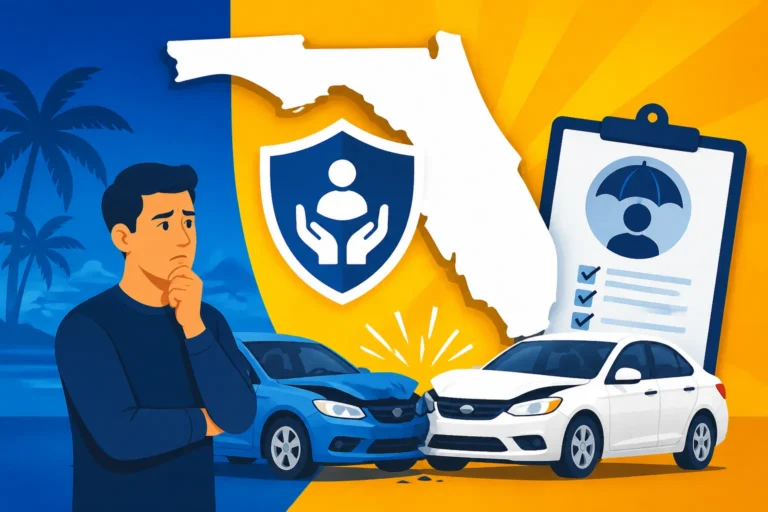
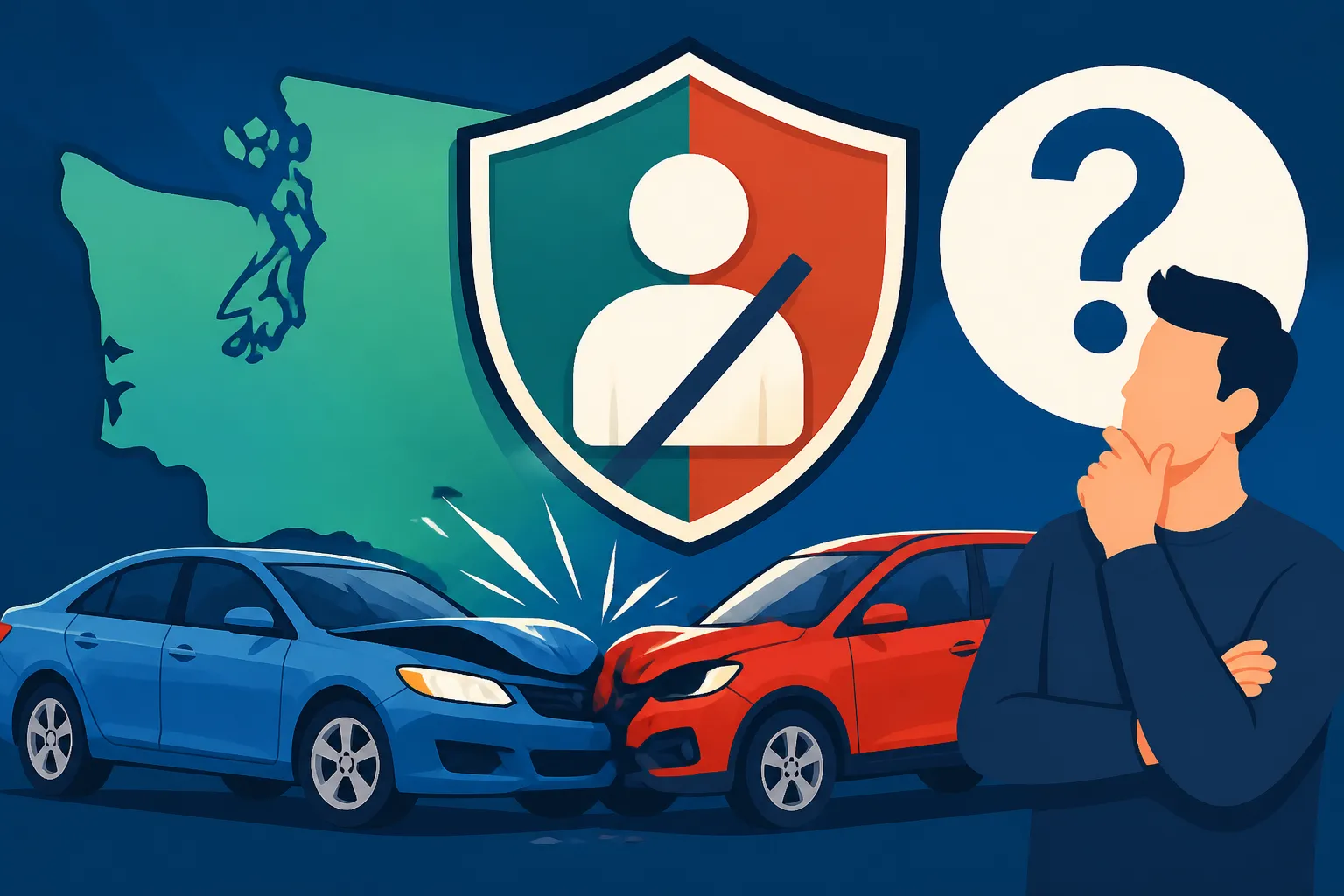
Let's get straight to it: No, Washington is not a no-fault state. Instead, Washington operates under an "at-fault" or "tort" insurance system. This is a really important distinction because it means that when an accident happens, the person or party deemed responsible for causing the crash is generally liable for the damages and injuries that result. It's not like some other states where your own insurance pays for your initial medical bills regardless of who caused the accident. Here in Washington, pinning down who is accountable is the crucial first step.
The implications of this "at-fault" status are far-reaching. It means that to recover compensation for your medical expenses, lost wages, vehicle repairs, and other damages, you typically need to demonstrate that another driver's negligence was the cause of your accident. This often involves gathering evidence, talking to witnesses, and sometimes even getting the police involved to establish the facts. The whole system is built around identifying responsibility, which can add a layer of complexity to an already stressful situation.
What an At-Fault System Means for Your Claim
In an at-fault state like Washington, the process for seeking compensation generally involves pursuing a claim against the at-fault driver's insurance company. This is a stark contrast to a no-fault system, where you would primarily file a claim with your own insurer for your medical expenses, regardless of who caused the crash, up to a certain limit. Understanding What Is a No-Fault State? (And Which States Are No-Fault) can help illustrate just how different these systems are.
Here in Washington, if another driver is determined to be at fault for your collision, their liability insurance is expected to cover your resulting damages. This can include everything from the cost to repair your car to your medical bills, lost income if you couldn't work, and even compensation for pain and suffering. The burden of proof often falls on the injured party to demonstrate the other driver's fault and the extent of their damages. This often means you'll be communicating with the at-fault driver's insurance adjuster from day one, which can be an intimidating experience. They are, after all, looking out for their client's (and their company's) best interests, not necessarily yours.
The Role of Fault in Recovering Damages
Determining fault is paramount in Washington State. It’s the linchpin that dictates who pays what. If you are involved in an accident, the process usually begins with an investigation to establish How Fault Is Determined in a Car Accident. This investigation might involve police reports, witness statements, accident reconstruction, and reviewing photographs or video evidence from the scene. Insurance companies will conduct their own investigations, often sending adjusters to assess the damage and gather information.
For instance, if you're involved in a rear-end collision on I-5 near Seattle, it's generally understood that the driver who hit you from behind is at fault, barring unusual circumstances. However, other scenarios, like a complex intersection accident in Spokane, can be much trickier to untangle. In such cases, each driver's actions, traffic signals, and right-of-way rules come under scrutiny. Without a clear determination of fault, your ability to recover damages from the other party's insurer is significantly hindered. This is why documenting everything at the scene is so incredibly important, as those details become the foundation of your claim.
Washington's Pure Comparative Negligence Rules
Even in an at-fault state like Washington, the question of fault isn't always black and white. Sometimes, multiple parties can share some degree of responsibility for an accident. This is where Washington's pure comparative negligence system comes into play, adding another layer of complexity that can deeply impact your potential recovery. It’s a concept that directly addresses situations where fault isn't solely with one driver.
How Partial Fault Affects Your Compensation
Washington is one of the few states that follows a pure comparative negligence rule. This means that even if you are found to be partially at fault for an accident, you are not barred from recovering damages from the other at-fault driver. Your compensation, however, will be reduced by your percentage of fault. This is a fundamental difference from "contributory negligence" states, where even 1% fault can completely bar you from recovery. For a deeper dive, you can explore the differences in Comparative vs Contributory Negligence Explained.
So, if an insurance adjuster or a jury determines that you were, say, 20% at fault for an accident that caused $10,000 in damages, you would only be able to recover 80% of those damages, or $8,000. The pure comparative negligence system allows for this nuanced allocation of blame, aiming for a more equitable distribution of financial responsibility. It acknowledges that accidents are rarely due to one single factor and that multiple drivers can contribute to the sequence of events. While it sounds fair on paper, determining these percentages can be a fierce battleground with insurance companies, as every percentage point directly impacts your bottom line.
Real-World Scenarios of Pure Comparative Negligence
Let's imagine a couple of scenarios to make this more concrete.
Scenario 1: The Lane Change on I-90
You're driving on I-90 outside of Issaquah, attempting to change lanes. You signal, check your mirrors, and begin to move over. Suddenly, another driver, who was speeding and also trying to merge into the same spot from a different lane, collides with you. The insurance companies investigate and determine that the other driver was primarily at fault for speeding and an improper merge (let's say 80% fault). However, they also find that you failed to sufficiently check your blind spot (20% fault). If your total damages were $20,000 (including medical bills, car repairs, and pain and suffering), under pure comparative negligence, you would be able to recover $16,000 (80% of $20,000). The other driver's insurance would pay that amount. This system means that even if you made a mistake, you're not left completely without recourse. This is a significant relief for many drivers who might feel they share a small portion of the blame but shouldn't be entirely penalized. This is also why understanding What Happens If You're Partially at Fault? is crucial for your claim.
Scenario 2: The Parking Lot Fender Bender
Picture this: you're backing out of a parking spot at the Tacoma Mall, carefully checking your rear view camera and mirrors. At the same time, another driver is speeding through the parking lot, not paying attention, and collides with your rear bumper. An investigation might conclude that while you were backing up, the other driver's excessive speed and inattention were the main factors. They might be found 70% at fault, and you 30% for not seeing them in time despite your precautions. If your damages totaled $5,000, you would still be entitled to $3,500 (70% of $5,000) from their insurance. These scenarios highlight the flexibility of Washington's system, but also the complexity, as arguing percentages of fault can become a major point of contention during the claims process.
Here's a table summarizing the difference between Washington's pure comparative negligence and other systems:
| Negligence System | Description | Impact on Recovery in Washington (vs. Other States) |
|---|---|---|
| Pure Comparative Negligence (Washington) | You can recover damages even if you are 99% at fault, but your compensation is reduced by your percentage of fault. | You can always recover some damages as long as another party shares any fault, making recovery possible in more situations. |
| Modified Comparative Negligence (50% Bar) | You can recover damages if you are 49% or less at fault. If 50% or more, you recover nothing. | If Washington followed this, a driver 50% at fault would get nothing, which is harsher than the current system. |
| Modified Comparative Negligence (51% Bar) | You can recover damages if you are 50% or less at fault. If 51% or more, you recover nothing. | If Washington followed this, a driver 51% at fault would get nothing, which is harsher than the current system. |
| Contributory Negligence | You cannot recover any damages if you are found even 1% at fault. | This is the most restrictive system; Washington's law is far more favorable to individuals who might bear some minor responsibility for an accident. |
This pure comparative negligence rule is a key characteristic of the legal landscape in Washington, allowing for a more nuanced approach to distributing responsibility and ensuring that even partly at-fault individuals can seek some measure of justice for their injuries and losses.
Navigating a Car Accident Claim in an At-Fault State
Dealing with the aftermath of a car accident is never easy, especially when you're in an at-fault state like Washington where the onus is on you to prove the other party's negligence. It's not just about fixing your car; it's about safeguarding your health, your finances, and your peace of mind. Knowing the right steps to take from the moment of impact can make all the difference in the success of your claim and your overall recovery.
Essential Steps After an Accident in Washington
The moments immediately following a car accident are critical. What you do (or don't do) can significantly impact your future claim. Here's a step-by-step guide tailored for Washington's at-fault system:
- Ensure Safety and Check for Injuries: First and foremost, check on yourself and any passengers. If anyone is injured, call 911 immediately. Move your vehicle to a safe location if possible and if it's safe to do so. Your well-being is paramount. Even if you feel fine, it's wise to get checked out by a medical professional, as some injuries, like whiplash or concussions, can have Delayed Injury Symptoms After a Car Accident.
- Contact Law Enforcement: Even for minor accidents, especially in an at-fault state, calling the police is highly recommended. They can create an official police report that documents the scene, takes statements, and often includes their initial assessment of fault. This report becomes a vital piece of evidence for your insurance claim.
- Exchange Information: Get the other driver's name, contact information, insurance policy details, and vehicle information (make, model, license plate). Share yours with them as well. If there are any witnesses, ask for their contact information too.
- Document the Scene Thoroughly: This is where you become your own best detective. Take numerous photos and videos of everything: damage to all vehicles, skid marks, road conditions, traffic signs, debris, and any visible injuries. The more evidence you have, the stronger your case for proving fault. Write down everything you remember about the accident as soon as possible.
- Notify Your Insurance Company: Even if you believe the other driver is entirely at fault, you should still inform your own insurance company about the accident. They can guide you through the process, especially if the other driver's insurance proves difficult to work with.
- Seek Medical Attention: As mentioned, get thoroughly checked by a doctor, even if you feel okay. This creates an official record of any injuries sustained, which is crucial for your claim. Follow all medical advice and keep detailed records of all appointments, treatments, and prescriptions.
- Avoid Admitting Fault: In Washington's at-fault system, anything you say can be used against you. Do not admit fault or apologize, even if you feel shaken up. Stick to the facts when speaking with police or the other driver. You can read more about What Is an Admission of Fault (and How to Avoid It)? to understand the potential pitfalls.
Following these steps meticulously can significantly strengthen your position when you begin to How to File a Car Accident Insurance Claim and deal with the subsequent negotiations.
Dealing with Insurance Companies in a Tort State
Once the initial chaos subsides, the real challenge often begins: dealing with insurance companies. In Washington's at-fault system, you'll likely be dealing primarily with the other driver's insurance company to recover your damages. This can be a daunting process, as their main goal is often to minimize their payout.
- Be Prepared for an Investigation: The at-fault driver's insurance company will launch its own investigation to verify fault and assess damages. They might request a recorded statement from you. While you must cooperate, remember that you are not obligated to give a recorded statement without first consulting with legal counsel.
- Present Your Evidence: This is where all those photos, witness statements, police reports, and medical records come into play. You need to present a clear, comprehensive case proving the other driver's fault and substantiating all your damages. This is essentially How to Prove the Other Driver Was at Fault.
- Negotiate Your Settlement: The first offer from an insurance company is rarely their best offer. Be prepared to negotiate. They might try to undervalue your claim, especially for things like pain and suffering. This is where having a clear understanding of How Much Is My Car Accident Settlement Worth? (2026) comes in handy. You'll need to clearly articulate all your economic damages (medical bills, lost wages, vehicle repair) and non-economic damages (pain and suffering, emotional distress).
- Consider Legal Representation: If the insurance company is being difficult, or if your injuries are serious, consulting with a car accident lawyer can be incredibly beneficial. They understand the intricacies of Washington's fault laws, can effectively negotiate with insurance adjusters, and can even pursue a lawsuit if a fair settlement cannot be reached. For complex situations, it’s worth asking, Do You Need a Lawyer for a Car Accident? (2027).
The key to successfully navigating a claim in Washington is diligence, thorough documentation, and a clear understanding of your rights and the at-fault system. Never feel rushed or pressured by an insurance company.
Key Insurance Coverages in Washington
Even though Washington is an at-fault state, your own insurance policy still plays a crucial role in protecting you after an accident. Understanding the various types of coverage available, both mandatory and optional, can save you a lot of headache and financial strain down the road. It's not just about meeting legal requirements; it's about building a safety net for unexpected events.
Mandatory Minimum Liability Coverage
In Washington State, all drivers are legally required to carry a minimum amount of liability insurance. This coverage protects other drivers, their passengers, and their property if you are found to be at fault for an accident. It's about ensuring that those you might injure or whose property you might damage have a means of recovery.
Currently, the minimum liability coverage requirements in Washington are:
- $25,000 for bodily injury liability per person: This covers medical expenses, lost wages, and pain and suffering for one person injured in an accident you cause.
- $50,000 for bodily injury liability per accident: This is the maximum amount your insurance will pay for all injuries if multiple people are hurt in an accident you cause.
- $10,000 for property damage liability per accident: This covers the cost of repairs or replacement for vehicles or other property you damage in an accident.
It's important to remember that these are just the minimums. While they meet the legal requirement, they often fall short of covering the actual costs of a serious accident. For instance, if you cause an accident with significant injuries to another driver, and their medical bills exceed $25,000, you could be personally liable for the difference. Many drivers wisely choose to carry higher limits than these state minimums to better protect their assets in case of a severe accident. This extra coverage provides a much-needed buffer against potential financial ruin.
Understanding PIP and UIM in Washington
Beyond the mandatory liability coverage, Washington drivers have access to several optional coverages that can offer vital protection, particularly in an at-fault state where you might be waiting for the other driver's insurance to pay out, or if they are uninsured.
Personal Injury Protection (PIP)
While Washington is an at-fault state, Personal Injury Protection (PIP) is a fantastic option that operates similarly to the medical component of a no-fault policy. In fact, insurance companies in Washington are generally required to offer you PIP coverage, and you must explicitly reject it in writing if you don't want it. PIP coverage covers your own medical expenses, lost wages, and even things like essential services (e.g., house cleaning if you're too injured to do it) regardless of who was at fault for the accident.
This means if you're injured, your PIP coverage kicks in immediately, covering your initial medical bills and lost income up to your policy limits, without you having to wait for a fault determination or for the at-fault driver's insurance to pay. This is incredibly helpful because it ensures you get timely medical treatment without the stress of upfront costs, or dealing with potentially slow-moving claims processes from the other side. Think of it as your immediate financial safety net for medical care.
Uninsured/Underinsured Motorist (UIM) Coverage
Another crucial optional coverage, especially in a state where fault dictates recovery, is Uninsured/Underinsured Motorist (UIM) coverage. Despite mandatory insurance laws, far too many drivers on Washington roads are uninsured or carry only the bare minimum liability.
- Uninsured Motorist (UM): If you're hit by a driver who has no car insurance at all, UM coverage will step in to cover your medical expenses and property damage as if that driver had insurance.
- Underinsured Motorist (UIM): If you're hit by a driver who does have insurance, but their liability limits are too low to cover all your damages (e.g., their $25,000 bodily injury coverage is quickly exhausted by your $50,000 in medical bills), UIM coverage can kick in to cover the difference, up to your policy limits.
Given the potential for substantial medical costs and vehicle repairs after an accident, UIM coverage is an invaluable protection that can prevent you from being saddled with enormous out-of-pocket expenses when the at-fault party lacks adequate insurance. It's often highly recommended for Washington drivers precisely because the burden of fault can leave you exposed if the other driver isn't properly insured. It helps ensure that you can still seek full recovery for your damages, even if the responsible party falls short.
Disclaimer
Please remember, the information provided in this article is intended for general informational purposes only and does not constitute legal or financial advice. Car accident laws and insurance policies can be complex and vary based on specific circumstances. It is always recommended to consult with a qualified legal professional or insurance expert to discuss your individual situation and receive personalized advice.