Who Is at Fault in a Merging Accident in Texas?
Merging onto a busy highway or even just into an adjacent lane can be one of the most nerve-wracking parts of driving, especially in a bustling state like Texas. When a merge goes wrong, leading to a collision, the stress only amplifies, often leaving you wondering who is actually to blame for the accident. This guide is here to untangle the complexities of determining fault in merging accidents specifically within the Lone Star State, helping you understand your rights and responsibilities.
The Basics of Merging Accidents and Fault in Texas
Navigating Texas roadways, from the sprawling eight-lane highways around Houston to the narrower urban streets of San Antonio, means constantly encountering merging traffic. While we all try to drive defensively, accidents happen, and when they do, understanding the legal framework in Texas is your first step toward clarity.
Understanding Texas' At-Fault System
Texas operates under an "at-fault" insurance system, which is a really important distinction. What this means for you is that the driver who is determined to be at fault for causing the car accident is generally responsible for covering the damages and injuries of all parties involved. This isn't like some other states where your own insurance might pay your initial medical bills regardless of who caused the crash – those are called What Is a No-Fault State? (And Which States Are No-Fault). In Texas, pinpointing fault is paramount, as it directly impacts whose insurance company will pay out for property damage, medical expenses, lost wages, and pain and suffering.
It’s not always black and white, though. Sometimes, multiple parties might share some degree of fault, and Texas law has a specific way of handling that, which we’ll dive into a bit later. But for now, just remember that the primary goal in an accident investigation here is to identify the at-fault driver. This process can feel daunting, especially when emotions are running high after a collision, but knowing this fundamental aspect of Texas law sets the stage for everything that follows.
Common Scenarios for Merging Accidents
Merging accidents can occur in various situations, each with its own nuances that affect fault determination. Think about the variety of merging points you encounter daily:
- Highway On-Ramps: This is perhaps the most common merging scenario. Drivers entering a highway from an on-ramp are generally expected to yield to traffic already on the main thoroughfare. However, drivers already on the highway also have a responsibility to facilitate safe merging when possible, like moving over a lane if safe to do so.
- Lane Changes on Multi-Lane Roads: This isn't just about highways. Whether you're on a busy arterial road like Westheimer in Houston or navigating downtown Austin, changing lanes requires careful attention. If you're moving from one lane to another and collide with a vehicle already in that lane, you're usually at fault, as you have the duty to ensure the lane is clear. This is distinct from a more complex situation like a Who Is at Fault in a Lane-Change Accident?
- Construction Zones: Texas is constantly growing, and with that comes endless construction. Merging lanes due to construction often creates confusion and can lead to accidents. Signage plays a huge role here, as do temporary traffic patterns. Drivers must pay extra attention and follow all posted directions, but those already in the through lane still need to be aware.
- Two Lanes Merging into One: Sometimes, two distinct lanes will narrow into a single lane, often marked by "merge" or "lane ends" signs. In these situations, especially if there's no clear "zipper merge" instruction, drivers need to yield to traffic that has established itself in the continuing lane, or if it's explicitly a zipper merge, alternate.
Each of these scenarios comes with specific rules of the road and driver expectations that help establish who had the right-of-way and, consequently, who failed to exercise due care.
Determining Fault: Key Factors in Texas Merging Accidents
When a merging accident occurs, authorities and insurance companies don't just guess who is at fault. They look at a specific set of factors and traffic laws to make their determination. It’s important to remember that these aren't just suggestions; they are the bedrock of Texas traffic regulations. Knowing these can empower you to understand How Fault Is Determined in a Car Accident and what information you might need.
The Duty to Yield
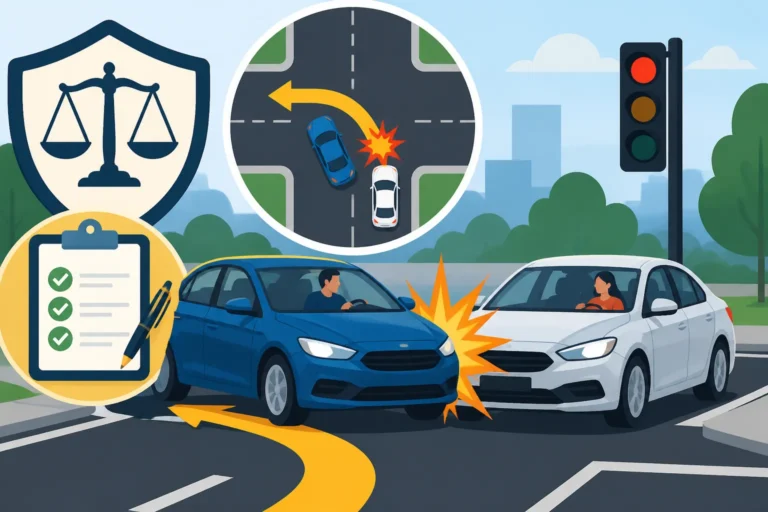
At the heart of almost every merging accident is the concept of the "duty to yield." This isn't just a polite suggestion; it's a legal obligation defined in the Texas Transportation Code. Essentially, when two lanes of traffic or an on-ramp merge, one driver usually has the legal obligation to yield the right-of-way to the other.
- On-Ramps to Highways: If you're on a highway on-ramp trying to merge onto the main lanes, the law typically states that you have a duty to yield to traffic already present on the highway. This means you must adjust your speed and trajectory to find a safe opening and not force your way in. However, drivers already on the highway aren't entirely off the hook. While they have the right-of-way, they also have a duty to exercise reasonable care and not intentionally block merging vehicles or drive recklessly. If a highway driver speeds up to prevent a safe merge, or is distracted, they could share some fault.
- Lane Changes: When you change lanes, whether on a multi-lane road or preparing for a highway exit, you have the duty to ensure the lane is clear before you move into it. This means checking your mirrors, glancing over your shoulder (the "head check" for blind spots), and signaling your intent. If you change lanes and collide with a vehicle already in that lane, you will almost certainly be found at fault because you failed to yield to the established traffic.
- "Lane Ends" or Two Lanes into One: In situations where two lanes merge into a single lane without a designated on-ramp, the driver whose lane is ending generally has the duty to yield to traffic in the lane that continues. However, some areas implement a "zipper merge" approach, where drivers are encouraged to use both lanes until the merge point and then alternate. If a zipper merge is indicated, failing to alternate when required could shift some fault. Always look for signage in these specific merge zones.
Understanding who had the legal duty to yield in a particular merging scenario is usually the primary determinant of fault.
The Role of Driver Negligence
Beyond the explicit duty to yield, general driver negligence plays a significant role in determining fault. Even if you technically had the right-of-way, if your actions contributed to the accident, you could still be assigned some percentage of fault. Negligence refers to a driver's failure to operate their vehicle with the same degree of care that a reasonably prudent person would exercise under the same circumstances.
Here are some common acts of negligence in merging scenarios:
- Distracted Driving: This is a huge one. Texting, talking on the phone, fiddling with the radio, or even just being lost in thought can prevent a driver from properly observing traffic conditions during a merge. A driver merging while distracted or a driver on the main road failing to notice a merging vehicle due to distraction could both be found negligent. Texas laws against distracted driving, especially texting while driving, are taken seriously.
- Speeding or Driving Too Slowly: Merging at a speed significantly different from the flow of traffic can be dangerous. A driver trying to merge onto a highway going too slowly, or a highway driver speeding excessively, can make a safe merge impossible. Both actions can be considered negligent.
- Improper Signaling: Failing to use your turn signal or signaling too late deprives other drivers of critical information about your intentions. This can cause confusion and contribute directly to a collision.
- Aggressive Driving: Forcing your way into a lane, tailgating, or deliberately blocking a merging vehicle are all forms of aggressive driving that demonstrate a lack of reasonable care and could result in a finding of negligence.
- Driving Under the Influence (DUI): Impaired driving severely compromises a driver's judgment, reaction time, and ability to perceive hazards. If a DUI driver is involved in a merging accident, their impairment will almost certainly make them fully or heavily at fault. In such severe cases, you might also need to understand Fault in a Drunk Driving Accident.
When insurance adjusters or law enforcement investigate a merging accident, they will gather evidence to assess whether any of these negligent actions contributed to the crash.
Evidence Collection and What to Do After a Merging Accident
The moments immediately following a car accident are often chaotic and stressful, but what you do (or don't do) can significantly impact the outcome of your claim. Especially in a merging accident where fault can sometimes be contested, collecting the right evidence is crucial. If you've just been involved in a collision, refer to a comprehensive guide on What to Do After a Car Accident: Step-by-Step (2027).
Gathering Crucial Information
After ensuring everyone's safety and contacting emergency services if needed, your next priority should be to gather as much information as possible at the scene. This data forms the bedrock of your claim and helps establish what really happened.
- Document the Scene Thoroughly: Use your phone to take pictures and videos from multiple angles. Capture the position of the vehicles, damage to both cars, skid marks, road conditions (e.g., wet pavement, debris), traffic signs or signals, and any relevant landmarks. Don't forget to photograph any visible injuries to yourself or passengers.
- Exchange Information: Get the other driver's name, contact information, insurance policy details, and license plate number. If there are passengers in their vehicle, gather their names and contact info as well.
- Identify Witnesses: Bystanders often have an objective view of what transpired. If anyone saw the accident, ask for their names and phone numbers. Their testimony can be invaluable in corroborating your account, especially if the other driver tries to shift blame.
- Police Report: In Texas, if an accident results in injury, death, or property damage exceeding $1,000, you are legally required to report it to the police. Even for minor accidents, getting a police report is highly recommended. The officer's observations, diagrams, and initial fault assessment can be very influential. However, remember that Does a Police Report Determine Who Pays? is a separate question, as insurance companies make their own final fault assessments.
- Dashcam Footage: If you have a dashcam, this is perhaps the single most powerful piece of evidence you can have. It provides an objective, undeniable recording of the events leading up to and during the collision, including how the merge was attempted or executed.
Every detail you collect at the scene paints a clearer picture for insurance adjusters and, if necessary, for legal proceedings. The more thorough you are, the stronger your position will be when trying to prove the other driver was at fault.
Dealing with Insurance Companies in Texas
Once the immediate aftermath is handled, you'll inevitably be dealing with insurance companies. This can be a tricky part of the process, and how you interact with them can significantly impact your claim. Remember, their goal is to pay out as little as possible, so be prepared and cautious. This is why understanding Dealing With Insurance Adjusters After a Car Accident is so important.
- Notify Your Own Insurer: Even if you believe the other driver is entirely at fault, you should notify your own insurance company promptly. Your policy likely has reporting requirements. This doesn't mean admitting fault, just informing them of the incident.
- Be Cautious with Statements: When speaking with the other driver's insurance company, be factual and concise. Do not speculate about fault, apologize, or make statements that could be construed as admitting fault. Stick to the observable facts. It's often best to provide only basic information and politely decline to give a recorded statement until you've consulted with your own representation.
- Provide Evidence: Share the evidence you collected at the scene, including photos, videos, witness contact information, and the police report number. This evidence will help your insurance company and the other driver's insurer determine liability.
- Understand the Adjuster's Role: The insurance adjuster's job is to investigate the claim and determine fault. They will review all evidence, potentially interview witnesses, and examine the vehicles involved. Their initial assessment of fault for a merging accident will often hinge on who failed in their duty to yield and which acts of negligence were most significant. Be aware that they might try to shift some fault onto you, which is where Texas's comparative fault laws come into play.
Being prepared and knowing what information to share (and what to hold back) is critical when navigating the insurance claims process in Texas. The earlier you gather your facts and understand the process, the better equipped you'll be to protect your interests. You might want to review How to File a Car Accident Insurance Claim for more detailed steps.
How Comparative Fault Applies in Texas
Sometimes, the lines of fault aren't so clear-cut. In a merging accident, it's not uncommon for both drivers to have contributed to the collision in some way. Perhaps the merging driver failed to yield properly, but the highway driver was speeding. Or maybe one driver didn't signal, and the other was distracted. This is where Texas's modified comparative negligence rule becomes incredibly important. This system allows for shared fault but can significantly impact your ability to recover compensation.
Modified Comparative Negligence Explained
Texas follows a "modified comparative negligence" rule, often referred to as the "51% Bar Rule." This is a critical legal concept that every driver in Texas should understand, especially if you find yourself in an accident where fault might be shared. It dictates what happens if What Happens If You're Partially at Fault?.
Here's how it works:
- Percentage of Fault: After an accident, an investigation will assign a percentage of fault to each driver involved. For instance, in a merging accident, the merging driver might be found 70% at fault for failing to yield, while the highway driver might be found 30% at fault for speeding or distracted driving.
- Impact on Recovery: You can only recover damages from the other driver if you are found to be 50% or less at fault. If your assigned fault is 51% or higher, you are completely barred from recovering any compensation from the other party. This is a very strict cutoff.
- Reduced Compensation: If you are found to be 50% or less at fault, your recoverable damages will be reduced by your percentage of fault. So, if you suffered $10,000 in damages and were found 30% at fault, you would only be able to recover $7,000 ($10,000 – 30%).
This system is designed to prevent drivers who are primarily responsible for an accident from recovering damages from other, less culpable parties. It's why insurance companies will often aggressively try to assign a higher percentage of fault to the other driver, and conversely, why you need to be prepared to defend your own actions. Understanding Modified Comparative Negligence (50% vs 51% Bar) is key to your claim.
Here’s a simple table to illustrate how modified comparative negligence might affect your settlement:
| Driver's Total Damages | Driver's Assigned Fault | Other Driver's Assigned Fault | Recoverable Amount | Outcome |
|---|---|---|---|---|
| $10,000 | 20% | 80% | $8,000 | Can Recover (80% of total) |
| $10,000 | 50% | 50% | $5,000 | Can Recover (50% of total) |
| $10,000 | 51% | 49% | $0 | Barred from Recovery |
| $10,000 | 100% | 0% | $0 | Barred from Recovery |
Impact on Your Claim and Settlement
The modified comparative negligence rule has a direct and significant impact on your car accident claim and any potential settlement you might receive. When How Fault Affects Your Insurance Claim, this is one of the biggest considerations.
- Negotiation Strategy: Insurance adjusters are well aware of this rule. If they can successfully argue that you were 51% or more at fault, they won't have to pay you anything. Even if they can push your fault percentage up to, say, 30% or 40%, they can significantly reduce their payout. This means that negotiations often involve a fierce debate over fault percentages, not just the monetary value of your damages. If you're wondering how this affects your payout, consider reading How Comparative Fault Reduces Your Settlement.
- Proving Your Case: Because of the 51% bar, it's incredibly important to gather strong evidence that clearly demonstrates the other driver's fault and minimizes your own. This is where those photos, witness statements, and dashcam footage become invaluable. Without solid proof, it's easier for an insurance company to assign you a higher percentage of fault, potentially costing you thousands of dollars.
- Legal Representation: If fault is being contested, especially in a merging accident where multiple factors like signaling, speed, and yielding responsibilities are at play, having legal representation can be a game-changer. An experienced car accident lawyer understands Texas's comparative negligence laws inside and out. They can help investigate the accident, gather expert testimony, and build a compelling case to ensure that fault is accurately assigned, protecting your right to compensation. They can advocate for you when What Happens If the Other Driver Blames You? or when the insurance company tries to unfairly assign blame.
Navigating a merging accident claim in Texas, where shared fault can be a complex issue, requires diligence, careful documentation, and a clear understanding of the law. Being informed about these nuances will put you in a much stronger position to protect your interests and pursue the compensation you deserve.
Disclaimer
Please remember that the information provided in this article is for general informational purposes only and does not constitute legal advice. Every car accident case is unique, and the outcome depends on specific facts and applicable laws. If you have been involved in a car accident, it is highly recommended to consult with a qualified legal professional to discuss your individual situation.