Common Injuries From a Backing-Up Accident
Backing up your car might seem like one of the most routine and low-risk maneuvers we perform every day, but anyone who's been involved in a backing-up accident knows just how jarring and unexpected it can be. Often, these collisions happen in parking lots, driveways, or even while pulling out of a spot, leaving you feeling embarrassed, frustrated, and sometimes, surprisingly injured. This guide will walk you through the common injuries that can arise from these seemingly minor incidents, discuss why symptoms might not appear right away, and explain the crucial steps you need to take to protect your health and any potential car accident claim.
Understanding Backing-Up Accidents and Their Unique Impact
It's easy to dismiss a backing-up accident as "just a fender bender," but the reality is that even low-speed impacts can result in significant physical harm. The dynamics of these collisions, coupled with the element of surprise, often contribute to specific types of injuries that you might not immediately associate with such an incident.
The Physics of a Low-Speed Collision
When you back up, especially in a parking lot or driveway, you're often moving at a relatively low speed. However, don't let the word "low-speed" fool you into thinking there's no force involved. Newton's laws of motion still apply, and a sudden stop or impact transmits kinetic energy through your vehicle and, critically, through your body. Imagine being seated in your car, perhaps looking over your shoulder or at your rearview camera, and then suddenly being jolted backward or to the side. Your body, unrestrained by the typical forward momentum of driving, can be thrown unexpectedly. Even a crash at 5-10 mph can generate enough force to cause significant soft tissue damage, especially to the neck and back. The rapid deceleration or acceleration creates a whiplash effect that can be quite powerful.
Surprise Factor and Lack of Preparedness
One of the biggest differences between a backing-up accident and, say, a highway collision, is the element of surprise. In most forward-facing accidents, you might have a split second to brace yourself, grip the steering wheel, or at least be looking in the direction of impact. However, in a backing-up scenario, you're often looking backward, perhaps turning your torso, or relying on mirrors. When impact occurs, it's often completely unexpected. This lack of preparedness means your muscles are relaxed, making them more vulnerable to strain and tearing when suddenly subjected to force. Your head might be turned, amplifying the rotational forces on your neck and spine. This sudden, unanticipated jolt is a major reason why even seemingly minor backing-up collisions can lead to injuries that are anything but minor.
Common Injuries Sustained in Backing-Up Accidents
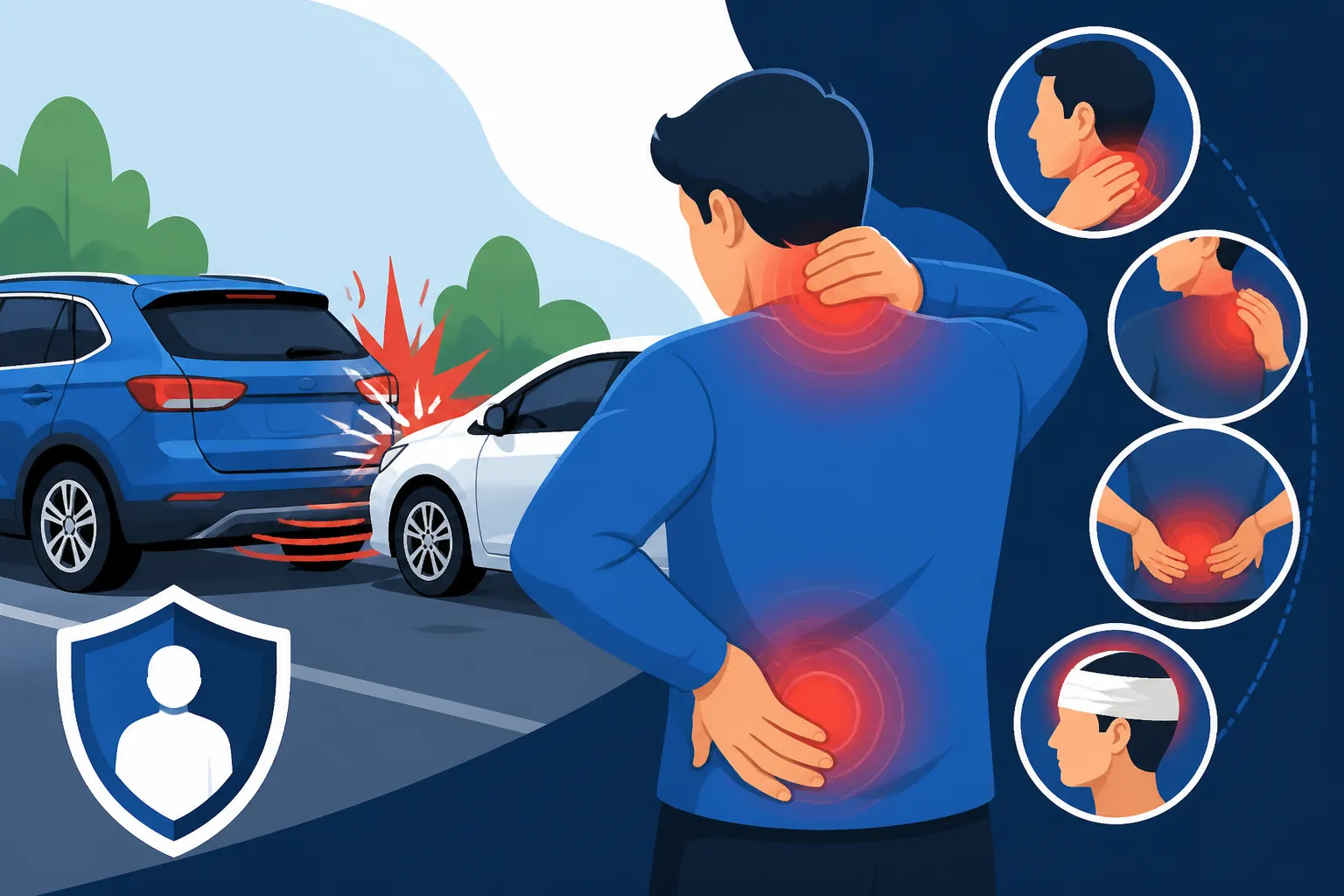
While the speeds involved might be lower, the types of injuries experienced in backing-up accidents often mirror those seen in more severe collisions, particularly those affecting the neck and back. It's crucial to understand these common injuries so you can recognize potential symptoms and seek appropriate medical care.
Whiplash and Neck Strain
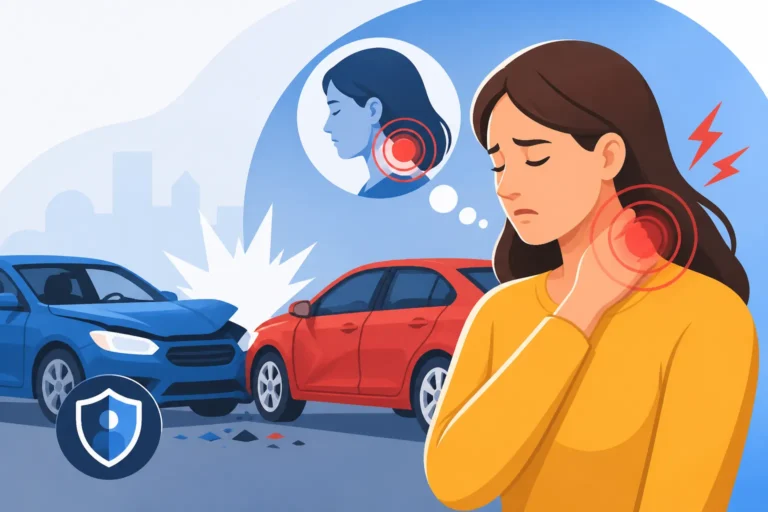
Whiplash is, without a doubt, one of the most frequently diagnosed injuries in any rear-end or backing-up accident. Even though a backing-up accident might not be a traditional "rear-end" where you're hit from behind, the sudden acceleration and deceleration of your head and neck can mimic the same mechanics. When another vehicle backs into you, or you back into another object, your head is often violently thrown forward and backward, or side-to-side, beyond its normal range of motion. This can lead to tears in the muscles, ligaments, and tendons in the neck.
Symptoms of whiplash often include neck pain and stiffness, headaches, dizziness, blurred vision, and even difficulty concentrating. These symptoms might not surface immediately; sometimes, they take hours or even a day or two to fully manifest. This delay can make it challenging to connect your discomfort directly to the accident if you don't realize the severity of the injury. For more on this common ailment, you can read our detailed guide on Whiplash Symptoms After a Car Accident.
Back Injuries and Spinal Issues
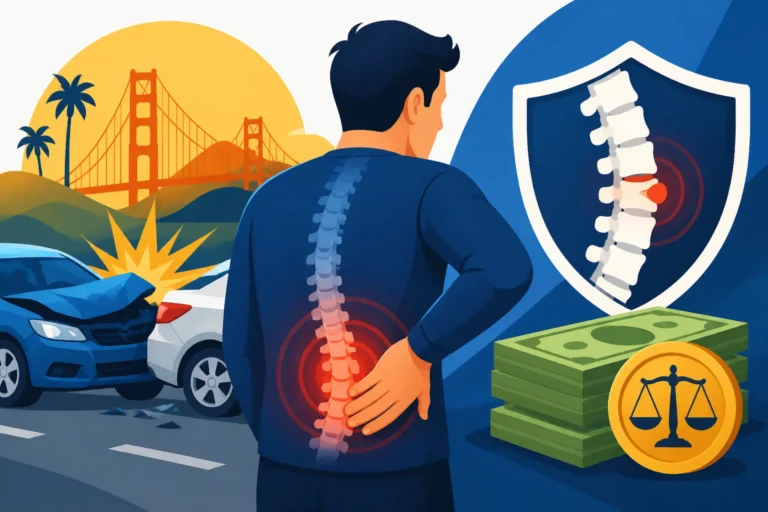
Just like your neck, your back is highly susceptible to injury in a backing-up accident. The sudden jolt can compress or hyperextend your spine, leading to various issues. Many people assume back injuries only happen in high-speed crashes, but the force from even a low-speed impact can cause significant damage.
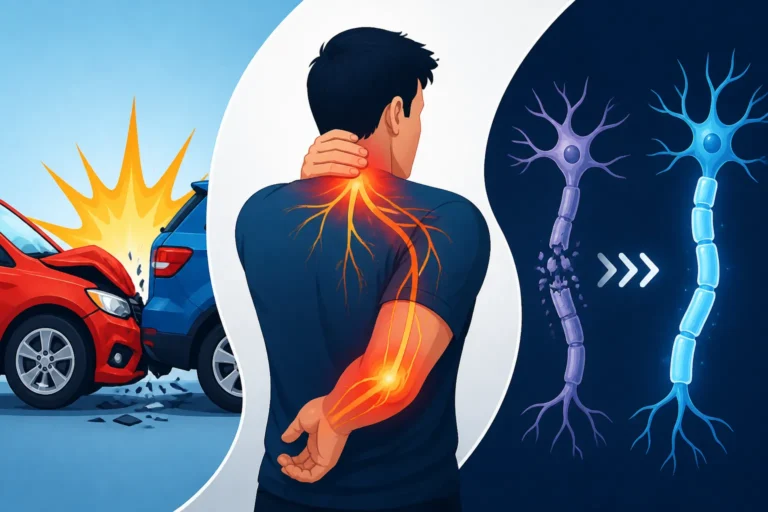
Common back injuries include lumbar sprains and strains, where the muscles and ligaments in the lower back are stretched or torn. More serious injuries can involve the discs in your spine, such as a Herniated Disc From a Car Accident or bulging discs. These conditions occur when the soft, gel-like cushions between your vertebrae are displaced or rupture, putting pressure on nearby nerves. This can cause radiating pain, numbness, or tingling in your arms or legs, weakness, and even difficulty moving. If you're experiencing back pain after a collision, even a minor one, it's critical to get it checked out. Our comprehensive resource on Back and Spinal Injuries From Car Accidents provides more insights.
Soft Tissue Damage
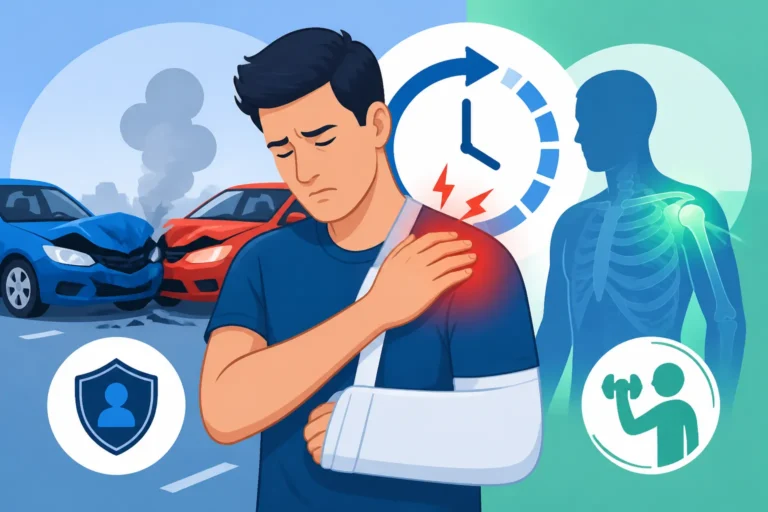
Beyond whiplash and specific back injuries, soft tissue damage is a broad category that covers injuries to muscles, ligaments, and tendons throughout your body. In a backing-up accident, common areas for soft tissue damage include the shoulders, arms, and even the chest if you were braced against the steering wheel or seatbelt.
For instance, your shoulder might be twisted or strained as you react to the impact, leading to rotator cuff injuries or general shoulder pain. The sudden tension from a seatbelt, while vital for safety, can sometimes cause bruising, abrasions, or even muscle strains across your chest and abdomen. While these injuries might not always show up on X-rays, they can cause considerable pain and limit your mobility. It's important to understand that Soft Tissue Injuries Explained covers a wide range of pain and discomfort that often requires medical attention and physical therapy.
Headaches and Concussions
The impact, even at low speeds, can cause your head to strike something inside the vehicle – perhaps the headrest, side window, or steering wheel – leading to direct head trauma. Even without direct impact, the rapid acceleration and deceleration can cause your brain to jostle inside your skull, resulting in a concussion or a mild traumatic brain injury (TBI).
Headaches are a very common symptom following any car accident. Sometimes they're a direct result of neck strain, but other times they can indicate a more serious head injury. Concussion Symptoms After a Car Accident include persistent headaches, dizziness, confusion, sensitivity to light and sound, and difficulty concentrating. Never underestimate a head injury, no matter how minor the accident seems. If you're experiencing any of these symptoms, immediate medical evaluation is essential.
Here’s a quick overview of common injuries:
| Injury Type | Common Symptoms | Potential Severity | Recovery Time (Typical) |
|---|---|---|---|
| Whiplash/Neck Strain | Neck pain, stiffness, headaches, dizziness, limited range of motion | Moderate to Severe | Weeks to Months |
| Lumbar Strain (Lower Back) | Lower back pain, muscle spasms, stiffness, pain radiating to buttocks | Moderate | Weeks |
| Herniated/Bulging Disc | Sharp radiating pain, numbness/tingling in limbs, muscle weakness | Moderate to Severe | Months, sometimes surgery |
| Soft Tissue (Shoulder/Knee) | Localized pain, swelling, bruising, limited joint movement | Minor to Moderate | Weeks to Months |
| Concussion/TBI | Headaches, dizziness, confusion, memory issues, sensitivity to light/sound | Moderate to Critical | Weeks to Years |
| Contusions (Bruising) | Localized pain, discoloration, tenderness | Minor | Days to Weeks |
Recognizing Delayed Symptoms After a Minor Collision
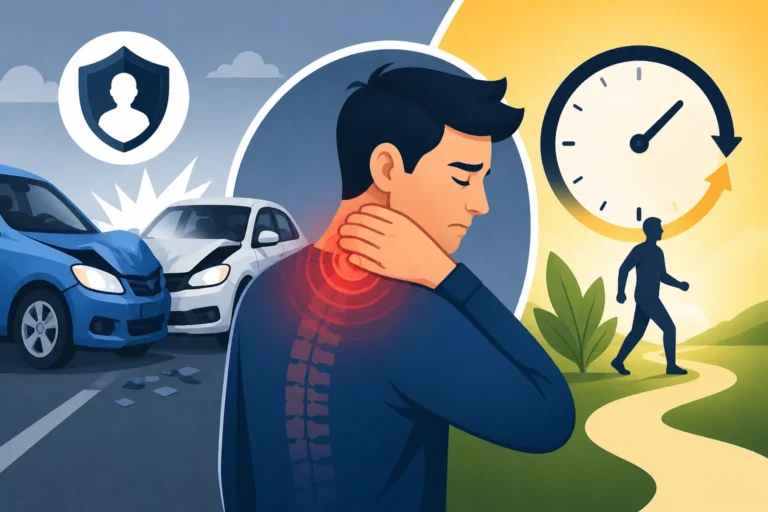
Perhaps one of the most insidious aspects of backing-up accidents, especially those considered "minor," is the tendency for injuries to manifest days or even weeks after the initial impact. Many people walk away from the scene feeling fine, only to wake up the next morning with debilitating pain.
Why Symptoms Don't Always Appear Immediately
There are several physiological reasons why accident-related pain and symptoms might not appear immediately. Adrenaline is a powerful hormone that floods your system during a stressful event like a car accident. This natural painkiller can mask injuries, making you feel perfectly fine at the scene, even if you've sustained significant damage. Once the adrenaline wears off, often hours later, the pain and stiffness begin to set in.
Furthermore, some injuries, particularly soft tissue injuries, involve inflammation and swelling that develop over time. It can take a day or two for this inflammatory response to reach a peak, at which point you'll start to experience pain and stiffness. For example, a minor tear in a ligament might not cause immediate sharp pain but will gradually become more noticeable as swelling increases and movement irritates the injured area. Our article on Delayed Injury Symptoms After a Car Accident delves deeper into this phenomenon and why it's so common.
Monitoring Your Health in the Days and Weeks Following
Because of the potential for delayed symptoms, it is absolutely essential to monitor your health closely in the days and weeks following any backing-up accident, regardless of how minor it seemed at the time. Keep a detailed log of any discomfort, pain, numbness, tingling, or changes in your physical or cognitive abilities.
Pay particular attention to:
- Neck and back pain: Is it constant, or does it come and go? Does it worsen with certain movements?
- Headaches: Are they persistent? Do they come with dizziness or nausea?
- Stiffness: Can you turn your head fully? Is your range of motion restricted?
- Numbness or tingling: Do you feel pins and needles in your arms, hands, legs, or feet? This could indicate nerve impingement.
- Fatigue or difficulty sleeping: Changes in sleep patterns can be a sign of underlying issues.
- Mood changes or irritability: These can be subtle indicators of a concussion or psychological distress like PTSD.
If you notice any new or worsening symptoms, do not hesitate to seek medical attention. Always err on the side of caution when it comes to your health.
Protecting Your Health and Your Car Accident Claim
Experiencing a backing-up accident can be unsettling, but taking the right steps afterward is crucial for both your physical recovery and any potential car accident claim you might need to pursue. Don't let the perceived "minor" nature of the crash deter you from following proper procedures.
Seeking Medical Attention Promptly
Even if you feel fine immediately after the accident, it is always recommended to get a medical evaluation. This cannot be stressed enough. As discussed, delayed symptoms are incredibly common. A doctor can properly diagnose any injuries, even those not yet causing pain. They can also document your condition, which is vital for your health and any future insurance claims. Ignoring potential injuries can lead to them worsening over time, requiring more extensive treatment, and making it harder to link them directly to the accident. Our guide, Why You Should See a Doctor After a Car Accident, explains in detail why this step is non-negotiable.
When you see a doctor, be completely honest and thorough about all your symptoms, no matter how insignificant they might seem. Mention that you were in a car accident and provide as much detail as possible about the incident. This information helps your doctor make an accurate diagnosis and creates a clear record of your injuries related to the accident.
Documenting Your Injuries and Treatment
Proper documentation is your best friend when dealing with the aftermath of an accident. This means keeping meticulous records of everything related to your injuries and treatment.
- Medical Records: Ensure all medical appointments, diagnoses, treatments, medications, and prognoses are clearly recorded by your healthcare providers. This includes emergency room visits, consultations with specialists, physical therapy sessions, and prescriptions. These records are fundamental to How to Prove Injuries in a Car Accident Claim.
- Personal Journal: Keep a personal journal documenting your daily pain levels, limitations, emotional state, and how your injuries are affecting your daily life. This can be invaluable when trying to illustrate the impact of your injuries beyond just medical bills.
- Accident Details: Collect all information from the accident scene, including photos, contact details of the other driver and any witnesses, and the police report number if one was filed. Even if it's a minor backing-up accident, reporting it to the police is often a good idea, as Police Reports and Car Accident Fault can be influential.
Understanding Fault in a Backing-Up Accident
Determining who is at fault in a backing-up accident can sometimes be complex, but generally, the driver backing up is presumed to be at fault. This is because drivers are expected to ensure the path is clear before moving backward. However, there are exceptions. For example, if another driver was speeding through a parking lot or illegally parked, or if there was a multi-car scenario like a Fault in a Chain-Reaction Rear-End Crash, fault might be shared or assigned differently.
Insurance companies will investigate the circumstances to determine liability. They will look at police reports, witness statements, vehicle damage, and sometimes even surveillance footage. Our article, Who Is at Fault When Backing Out of a Driveway?, provides more specific scenarios. It's important to avoid making any What Is an Admission of Fault (and How to Avoid It)? at the scene, as this can negatively impact your claim. Instead, stick to the facts and let the insurance companies and legal professionals sort out the specifics. Understanding How Insurance Companies Determine Who Is at Fault is a key component of navigating your claim successfully.
Disclaimer
Please remember that this article provides general information and guidance only. It is not a substitute for professional legal advice or medical consultation. If you have been involved in a car accident, you should seek immediate medical attention and consult with a qualified legal professional to discuss the specifics of your situation.