How Long Does Whiplash Last?
That moment right after a car accident, even a seemingly minor fender bender, often brings with it a strange mix of adrenaline and relief. You might think you're okay, brush it off, and then, a day or two later, a dull ache in your neck blossoms into debilitating pain and stiffness. This unwelcome guest is often whiplash, and when it strikes, one of the first questions that pops into your mind is, "How long is this going to last?" It's a frustrating uncertainty, especially when your daily life, work, and even sleep are disrupted. This guide is here to shed light on the typical duration of whiplash symptoms, explore the many factors that influence recovery, and arm you with knowledge to navigate your healing journey.
Understanding What Whiplash Actually Is
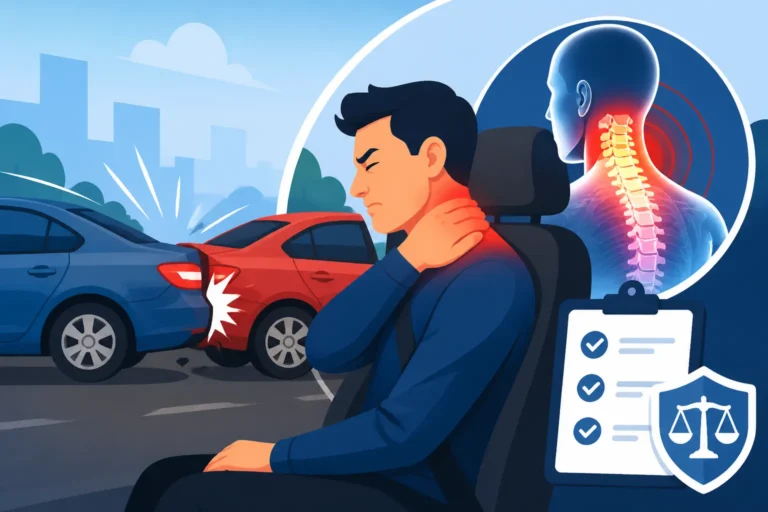
Before we dive into how long whiplash sticks around, it's really important to grasp what we're talking about. Whiplash isn't just a simple "stiff neck" or a minor muscle pull. It's a complex injury to the soft tissues of the neck and upper back that occurs when your head is suddenly and forcefully thrown backward and then forward, much like the crack of a whip. This rapid movement, often seen in rear-end collisions, can overstretch and even tear the muscles, tendons, and ligaments in your cervical spine.
The Mechanics of a Whiplash Injury
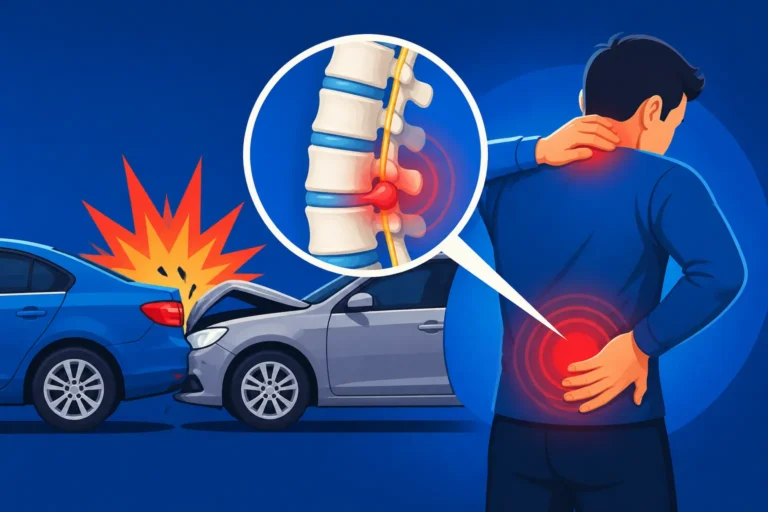
Imagine you're stopped at a red light, minding your own business, when suddenly, BAM! another car hits you from behind. In that split second, your car is propelled forward, but your head, initially, lags behind due to inertia. This forces your neck into extreme hyperextension (backward). Then, as your car stops or decelerates, your body is restrained by the seatbelt, but your head snaps forward into hyperflexion (forward). This double-whammy motion puts immense stress on the delicate structures of your neck.
It's not just the speed of impact that matters; even low-speed collisions can cause significant whiplash. The sudden, unexpected nature of the impact and your body's unpreparedness play a huge role. Think about it: if you brace for impact, your muscles might tense up, potentially mitigating some of the movement, but in a surprise collision, your muscles are relaxed, making them more vulnerable to overstretching. The term "whiplash-associated disorders" (WAD) is often used by medical professionals because it encompasses a range of potential injuries beyond just muscle strain, including nerve irritation, disc damage, and even minor concussions. If you're looking for a more comprehensive overview, our guide on What Is Whiplash? Symptoms, Treatment & Claims delves even deeper into the specifics of this common injury.
Common Symptoms That Often Creep Up Later
One of the most confusing and frustrating aspects of whiplash is that symptoms aren't always immediate. You might walk away from an accident feeling perfectly fine, only for the pain to begin hours or even days later. This phenomenon, known as Delayed Injury Symptoms After a Car Accident, is incredibly common and can sometimes make victims doubt if their symptoms are even related to the crash. However, this delay is precisely why it's crucial to seek medical attention after any accident, regardless of how you feel in the moment.
The most prevalent symptoms include:
- Neck Pain and Stiffness: This is the hallmark symptom, often described as a dull ache, sharp pain, or a feeling of tightness that limits your range of motion. Turning your head to check blind spots or look over your shoulder can become excruciatingly difficult.
- Headaches: These often originate at the base of the skull and can radiate to the temples or forehead. They might be constant or come and go, often worsening with neck movement.
- Dizziness and Vertigo: You might feel lightheaded, unbalanced, or like the room is spinning. This can be particularly alarming and impact daily activities like driving or walking.
- Shoulder, Upper Back, or Arm Pain: The nerves and muscles in your neck extend into your shoulders and arms. Whiplash can cause referred pain, tingling, numbness, or weakness in these areas.
- Fatigue and Trouble Sleeping: Constant pain can be exhausting, leading to chronic fatigue. Additionally, finding a comfortable position to sleep in can be nearly impossible, further exacerbating tiredness.
- Cognitive and Emotional Disturbances: Less commonly recognized, but very real, are symptoms like difficulty concentrating, memory problems, irritability, and even anxiety or depression. The trauma of the accident combined with persistent pain can take a significant toll on mental well-being.
Understanding these symptoms helps you recognize whiplash early, which is a key factor in how long it will ultimately last. Early diagnosis and intervention can make a world of difference in your recovery trajectory.
Factors Influencing Whiplash Recovery Time
The truth about how long whiplash lasts is that there's no single answer. It's not a one-size-fits-all injury. The duration of your symptoms and your overall recovery timeline can be influenced by a myriad of factors, making each person's experience unique. It's like trying to predict how long a specific cold will last – some people shake it off in a few days, others are down for a week or more, and it all depends on various elements.
Severity of the Impact and Initial Injury
Logic might suggest that a higher-speed collision would lead to worse whiplash, and while often true, it's not always the case. Even a low-speed rear-end collision at 5-10 mph can cause significant whiplash, particularly if your headrest isn't properly adjusted or you're caught off guard. The mechanics of the impact, including the angle of the collision (a direct rear-end hit versus a glancing blow), the type of vehicles involved (a small sedan hitting an SUV, for instance), and whether your car was stationary or moving, all contribute to the forces exerted on your neck.
More severe initial injuries—like torn ligaments, disc herniations, or nerve impingement—will naturally take longer to heal than milder muscle strains. If diagnostic imaging, such as X-rays or an MRI, reveals structural damage beyond simple soft tissue stretching, your recovery period will likely be extended. For example, a minor sprain might resolve in a few weeks, but a herniated disc in the cervical spine could require months of therapy, injections, or even surgery, leading to a much longer and more complex recovery journey. Our guide on Common Car Accident Injuries: Complete Guide offers more insight into various injury types and their typical severities.
Individual Health and Age
Your body's inherent ability to heal plays a massive role in whiplash recovery. Younger, healthier individuals with no prior history of neck or back problems generally tend to recover faster. Their tissues are more resilient, and their bodies are typically more efficient at repairing damage. Conversely, older individuals might experience longer recovery times due to age-related degeneration of spinal discs, arthritis, or slower cellular regeneration. Pre-existing conditions, such as degenerative disc disease, osteoporosis, or prior neck injuries, can also significantly prolong recovery. Someone with pre-existing arthritis in their neck, for example, might find that a whiplash injury exacerbates their chronic pain and makes healing much more difficult.
General physical fitness, lifestyle habits, and even psychological factors also come into play. Individuals who are physically active and maintain a healthy weight often have stronger neck muscles, which can offer some protection and facilitate quicker recovery. Stress, anxiety, and depression following an accident can also impede healing, as chronic stress can affect the body's inflammatory responses and pain perception. It's a holistic picture, and every piece contributes to the puzzle of your recovery.
Promptness and Consistency of Treatment
Perhaps one of the most critical factors determining whiplash duration is how quickly and consistently you seek and adhere to medical treatment. Many people hesitate to see a doctor after a minor accident, thinking the pain will just go away. However, delaying treatment can significantly prolong symptoms and even lead to chronic pain. Early intervention, ideally within a few days of the accident, allows medical professionals to accurately diagnose the extent of your injuries and initiate appropriate therapies.
Consistent engagement with your prescribed treatment plan is equally vital. This often includes physical therapy, chiropractic adjustments, medication, or a combination of approaches. Missing appointments, not doing prescribed exercises, or stopping treatment prematurely because you feel "a little better" can set you back. For example, a physical therapist might guide you through specific exercises designed to restore range of motion and strengthen weakened muscles. If you don't consistently perform these exercises, your progress will stall, and your recovery will take longer. Remember, the goal isn't just to alleviate immediate pain, but to restore full function and prevent long-term complications. Our article on Why You Should See a Doctor After a Car Accident provides a comprehensive look at the importance of prompt medical evaluation.
Typical Whiplash Recovery Timelines
It's natural to want a clear answer on how long your whiplash will last, but as discussed, it varies. However, medical professionals can offer general timelines based on the severity of the injury and whether it becomes chronic. It's important to remember these are averages; your personal experience may differ.
Acute Whiplash: The Short-Term Battle
For the majority of people (around 80-90%), whiplash is considered "acute," meaning the symptoms are typically short-lived and resolve within a few weeks to a few months. Most commonly, acute whiplash symptoms peak within the first few days or a week after the accident and then gradually improve. During this initial phase, symptoms like neck pain, stiffness, and headaches might be quite intense. With proper rest, medication, and early physical therapy, many individuals find significant relief within 2-4 weeks.
A full recovery, meaning a return to pre-accident function without residual pain, often occurs within three months. This doesn't mean you'll be pain-free every single day, but rather that the overall trend is one of continuous improvement. For instance, a person might experience sharp pain for the first week, followed by a dull ache for a month, and then only occasional stiffness when tired or stressed. The key during this phase is to avoid activities that aggravate the pain, but also to stay gently active as advised by your healthcare provider to prevent further stiffness and promote healing blood flow. The exact duration for How Long Does Whiplash Take to Heal After a Car Accident? depends on many factors, but typically this acute phase is when most progress is made.
Chronic Whiplash: When Pain Lingers
Unfortunately, for a smaller percentage of individuals (around 10-20%), whiplash symptoms can persist for much longer, sometimes for six months, a year, or even indefinitely. This is referred to as "chronic whiplash" or "whiplash-associated chronic pain." When pain and discomfort last beyond the typical healing period (generally considered 3-6 months), it indicates that the injury has become more complex.
Chronic whiplash can be incredibly debilitating, affecting a person's quality of life, ability to work, and mental health. The reasons for chronic whiplash are multifaceted. Sometimes, it's due to more severe underlying structural damage that wasn't initially fully identified or healed properly. In other cases, psychological factors like post-traumatic stress disorder (PTSD) from the accident, anxiety, or depression can contribute to persistent pain, as the brain's pain processing pathways can become altered. Nerve damage, scar tissue formation, or biomechanical imbalances that were not corrected during the acute phase can also lead to long-term issues. It's not just physical; the emotional toll of constant pain cannot be overstated, and it often requires a multidisciplinary approach involving pain management specialists, physical therapists, and sometimes psychological counseling to manage effectively.
Factors Predicting Longer Recovery
While predicting who will develop chronic whiplash is challenging, some factors have been identified as potential indicators for a longer and more difficult recovery:
- High Initial Pain Levels: If you experience very severe neck pain immediately after the accident, it might suggest a more significant injury that will take longer to heal.
- Radiating Pain: Pain that shoots down into your arms or hands, often accompanied by numbness or tingling, can indicate nerve involvement (radiculopathy), which typically prolongs recovery compared to localized neck pain.
- Pre-Existing Conditions: As mentioned earlier, conditions like arthritis, degenerative disc disease, or a history of neck pain can complicate healing.
- Psychological Distress: High levels of anxiety, depression, or fear of movement (kinesiophobia) following the accident can hinder recovery. The brain's response to pain is complex, and emotional distress can amplify pain perception and delay physical healing.
- Older Age: Generally, older individuals tend to recover more slowly from whiplash due to less resilient tissues and slower healing processes.
- Limited Initial Range of Motion: If you have very restricted neck movement right after the injury, it can be a sign of more extensive soft tissue damage.
Recognizing these indicators early can help you and your medical team develop a more aggressive and proactive treatment plan to try and mitigate the risk of developing chronic whipllash.
| Whiplash Severity | Typical Duration | Characteristics | Common Treatments |
|---|---|---|---|
| Mild | 2-4 weeks | Minor muscle strain, low pain, good range of motion | Rest, ice/heat, OTC pain relief, gentle stretching |
| Moderate | 3-6 months | Ligament sprain, moderate pain, limited range of motion | Physical therapy, chiropractic care, prescription meds |
| Severe | 6 months – 1+ years (Chronic) | Disc or nerve involvement, severe pain, significant disability | Advanced PT, injections, pain management, potential surgery |
Medical Intervention and Treatment Strategies
When you're dealing with whiplash, having a clear understanding of your treatment options and when to pursue them is paramount. The right approach can significantly impact how long your symptoms last and how complete your recovery will be.
When to See a Doctor (Don't Wait!)
This cannot be stressed enough: see a doctor as soon as possible after any car accident, even if you feel fine. As we've discussed, Delayed Injury Symptoms After a Car Accident are incredibly common with whiplash. What feels like a minor stiffness today could escalate into severe pain and limited mobility tomorrow. Waiting to see if the pain "gets better" on its own is a gamble that could prolong your recovery and potentially jeopardize your car accident claim. Insurance companies often look suspiciously at gaps in medical treatment, sometimes arguing that your injuries aren't serious or weren't caused by the accident if you didn't seek immediate care.
When you do see a doctor, they will conduct a thorough physical examination, assess your range of motion, and check for tenderness, swelling, or neurological deficits. They might also order imaging tests like X-rays to rule out fractures or an MRI to visualize soft tissue damage, such as herniated discs or ligament tears. Getting an official diagnosis not only starts your healing journey but also creates essential medical documentation for any potential claim.
Common Treatment Approaches
Once whiplash is diagnosed, treatment plans are often multifaceted and tailored to your specific injuries and symptoms. The goal is to reduce pain, restore normal range of motion, and prevent chronicity.
- Rest and Immobilization (Initial Phase): Immediately after the injury, some rest is usually recommended to prevent further strain. A soft cervical collar might be prescribed for a very short period (a few days) to provide support, but prolonged immobilization is generally discouraged as it can lead to stiffness and muscle atrophy.
- Medication: Over-the-counter pain relievers like ibuprofen or naproxen can help with pain and inflammation. Your doctor might prescribe stronger pain medication, muscle relaxants, or anti-inflammatory drugs if your pain is severe.
- Physical Therapy: This is often the cornerstone of whiplash recovery. A physical therapist will guide you through exercises designed to improve flexibility, strengthen neck muscles, and restore proper posture. This can include range-of-motion exercises, stretching, strengthening exercises, and modalities like heat, ice, ultrasound, or electrical stimulation. Consistency with these exercises, both in-office and at home, is vital for long-term recovery.
- Chiropractic Care: Many individuals find relief through chiropractic adjustments, which aim to restore proper alignment to the spine and reduce nerve irritation.
- Massage Therapy: Therapeutic massage can help alleviate muscle tension, reduce spasms, and improve blood flow to the injured area.
- Injections: For persistent or severe pain, particularly if nerve involvement is suspected, your doctor might recommend injections such as nerve blocks or epidural steroid injections to reduce inflammation and pain signals.
- Acupuncture: Some patients find acupuncture helpful for pain relief and promoting natural healing.
The Role of Rest vs. Activity
There's a delicate balance between rest and activity when recovering from whiplash. In the past, prolonged bed rest and rigid neck collars were common recommendations. However, current medical understanding emphasizes early, gentle mobilization. While some initial rest is crucial to prevent further injury and manage acute pain, too much rest can lead to increased stiffness, muscle weakness, and a prolonged recovery.
Your physical therapist will work with you to gradually reintroduce movement and activity. They'll teach you exercises that promote healing without overstraining the injured tissues. The key is controlled, progressive movement. For example, you might start with gentle range-of-motion exercises, then move to strengthening exercises, and eventually reincorporate activities of daily living. Avoiding activities that trigger severe pain is important, but becoming sedentary can be detrimental. The goal is to return to your normal activities as soon as safely possible, listening to your body while following professional guidance. This active approach can significantly shorten the overall duration of your whiplash symptoms.
Navigating the Car Accident Claim with Whiplash
Dealing with the physical pain and uncertainty of whiplash is tough enough, but then you also have to navigate the often-complex world of car accident claims. Understanding how your whiplash diagnosis and recovery timeline impact your claim is crucial for ensuring you receive fair compensation for your injuries.
Documenting Your Injuries for a Claim
The absolute bedrock of any successful car accident claim, especially when dealing with an injury like whiplash which might not show up on an X-ray, is thorough and consistent documentation. From the moment the accident happens, every step you take can either help or hinder your claim.
- Immediate Medical Attention: As previously discussed, seeking prompt medical evaluation is paramount. This establishes a clear link between the accident and your injuries. Medical records, including the date of examination, diagnosis, and treatment plan, are indispensable.
- Consistent Treatment: Following your doctor's recommendations and attending all prescribed physical therapy sessions, chiropractic adjustments, or follow-up appointments is critical. Gaps in treatment can be used by insurance companies to argue that your injuries weren't severe or that you didn't properly care for yourself, potentially reducing your settlement.
- Detailed Records: Keep a meticulous record of all your medical appointments, treatments, medications, and out-of-pocket expenses. Also, maintain a pain journal, noting daily pain levels, how your injuries impact your daily activities (e.g., difficulty sleeping, driving, working, hobbies), and any emotional distress you experience. This provides a narrative of your suffering and loss, which is crucial for calculating non-economic damages. Our article on How Medical Records Prove Your Injuries offers a deeper dive into what you need to collect.
- Police Report: A police report, even for minor accidents, can provide an objective account of the incident, including details of fault. While a police report doesn't always determine who is at fault in a car accident, it's a vital piece of initial documentation.
Remember, the more evidence you have that clearly demonstrates the extent of your whiplash injury and its impact on your life, the stronger your claim will be.
How Whiplash Affects Your Settlement
The duration and severity of your whiplash play a significant role in determining the value of your car accident settlement. Generally, longer recovery times and more severe symptoms mean a higher settlement because they translate to greater economic and non-economic damages.
- Economic Damages: These are quantifiable financial losses directly resulting from your whiplash. They include:
- Medical Bills: Everything from emergency room visits, doctor consultations, physical therapy, prescription medications, and any specialized treatments or future medical care.
- Lost Wages: If your whiplash prevented you from working, even for a short period, you can claim lost income. If your injury results in Lost Earning Capacity vs Lost Wages long-term, you may claim for future lost earnings.
- Property Damage: The cost to repair or replace your vehicle.
- Other Out-of-Pocket Expenses: Travel to appointments, assistive devices, etc.
- Non-Economic Damages: These are subjective losses that are harder to quantify but significantly impact your quality of life. This is where the duration of your whiplash pain really matters.
- Pain and Suffering: The physical pain, discomfort, and emotional distress caused by your whiplash. Long-lasting whiplash will typically warrant higher compensation for pain and suffering.
- Loss of Enjoyment of Life: If your whiplash prevents you from participating in hobbies, sports, or family activities you once enjoyed, this can be claimed.
- Emotional Distress: Anxiety, fear, frustration, and sleep disturbances directly related to your injury and the accident.
Insurance companies use various formulas to calculate pain and suffering, often multiplying your economic damages by a factor based on the severity and duration of your non-economic losses. A prolonged case of whiplash, especially if it becomes chronic, will typically result in a higher multiplier and thus a larger settlement for How Much Is My Car Accident Settlement Worth? (2026). Our guide on Average Settlement for Whiplash provides more specific figures.
Understanding the Statute of Limitations
Beyond tracking your symptoms and treatments, it's absolutely critical to be aware of the legal deadlines for filing a car accident claim, known as the statute of limitations. This is a strict time limit set by state law within which you must file a lawsuit for personal injury. If you miss this deadline, you will almost certainly lose your right to pursue compensation, regardless of how severe or long-lasting your whiplash is.
The statute of limitations varies significantly from state to state. For example, in California, the general personal injury statute of limitations is two years from the date of the accident. In other states like Alabama, it's also two years, while in states like Kentucky, it's only one year. These deadlines can be confusing, and there can be exceptions for minors or other specific circumstances.
Because whiplash symptoms can be delayed and recovery can be prolonged, it's easy for time to slip away. It's best to consult with a qualified personal injury attorney as soon as possible after your accident to understand the specific deadlines that apply to your case. An attorney can help you understand How Long Do You Have to File a Car Accident Claim? in your state and ensure all necessary paperwork is filed on time, protecting your rights to seek compensation for your whiplash injuries. Don't let the clock run out while you're focused on healing!
Disclaimer
Please remember that the information provided in this guide is for general informational purposes only and does not constitute medical or legal advice. Every car accident and personal injury claim is unique. You should always consult with a qualified medical professional for diagnosis and treatment of any injuries and a personal injury attorney for advice regarding your specific legal situation. Relying solely on the information presented here without professional consultation could lead to adverse outcomes.